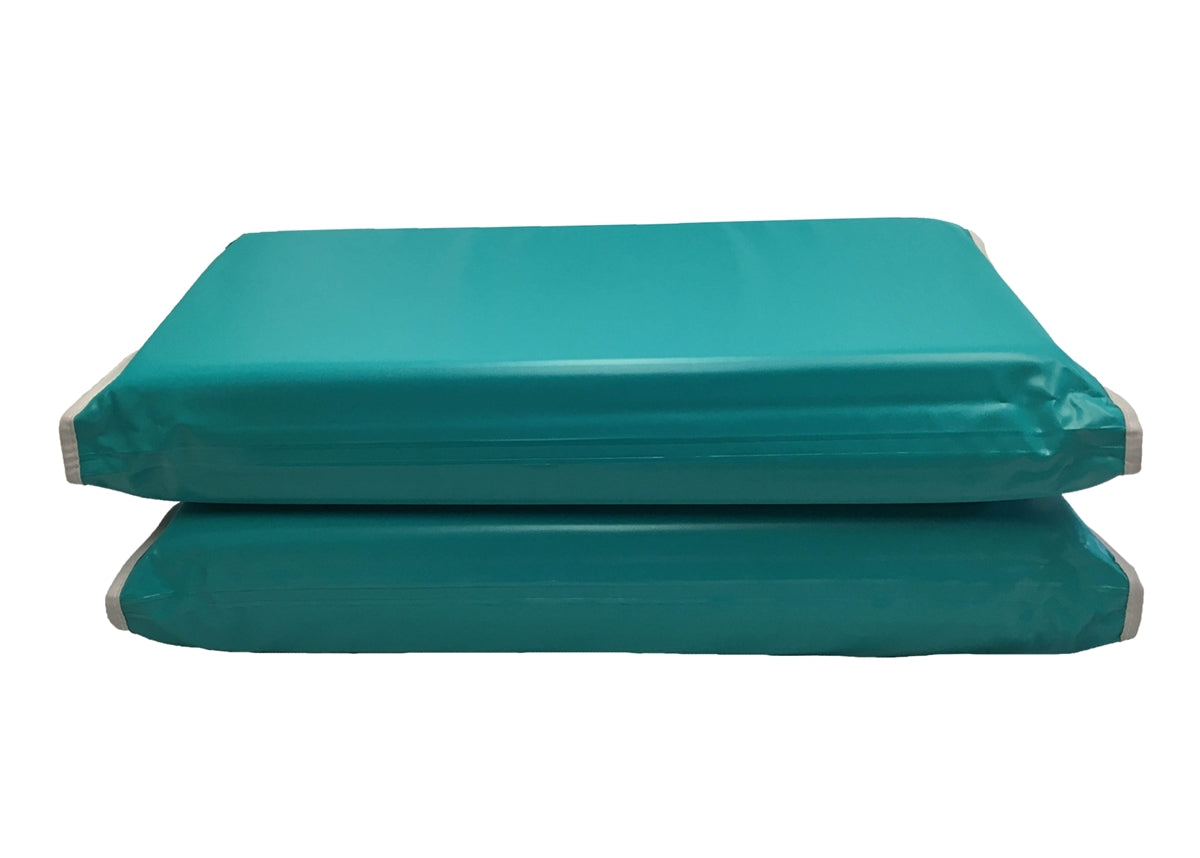
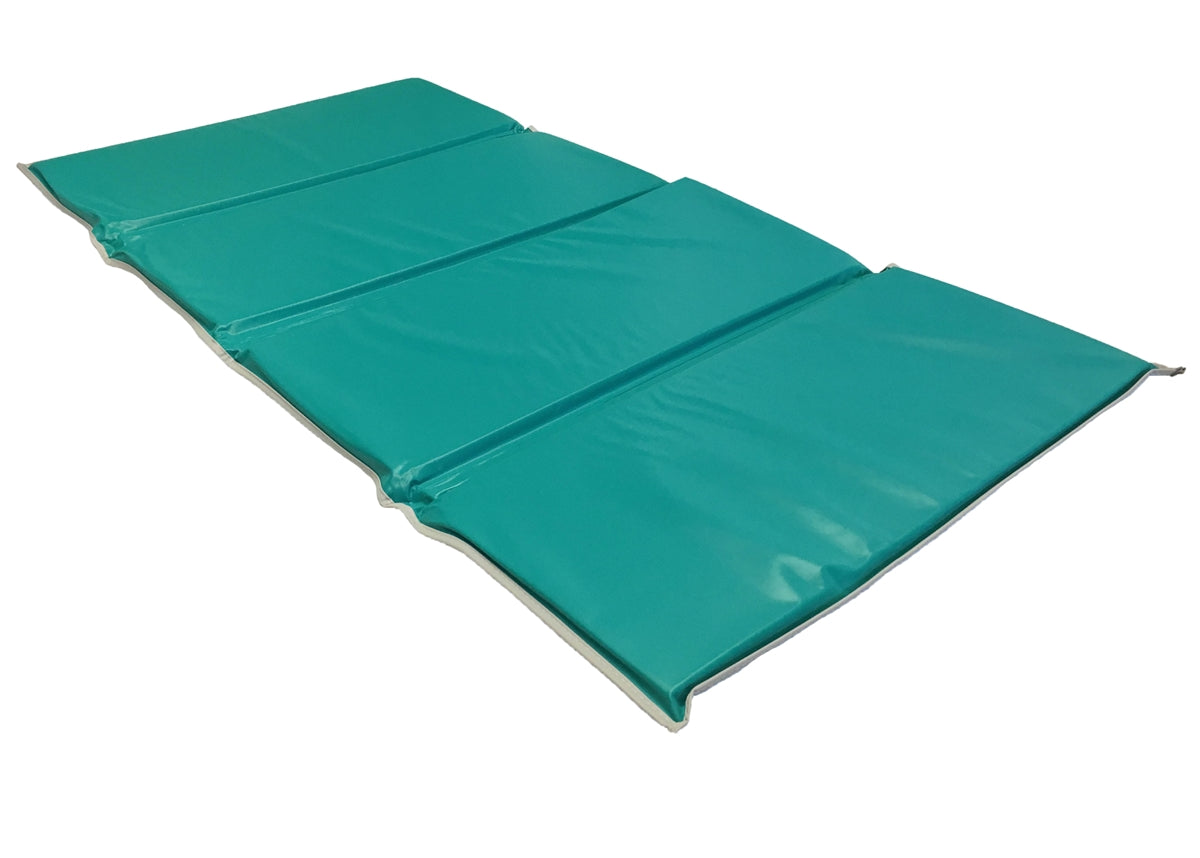
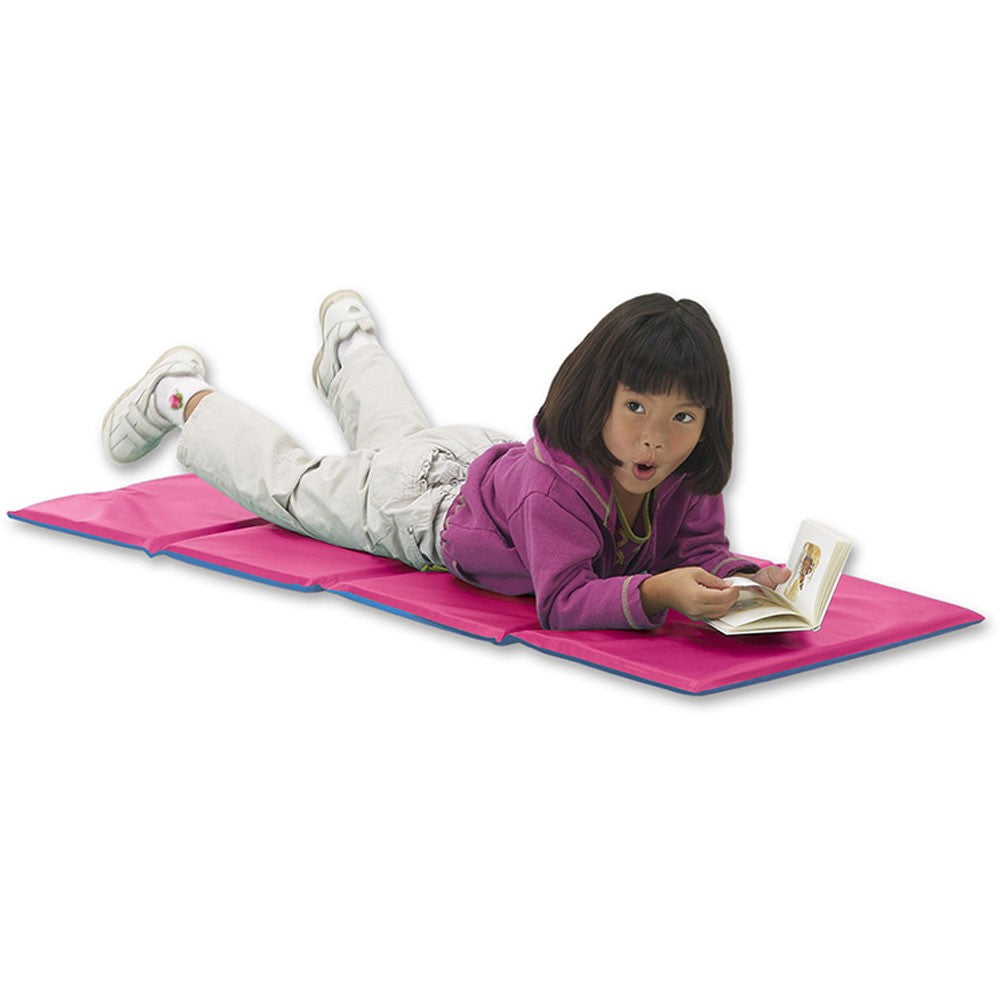
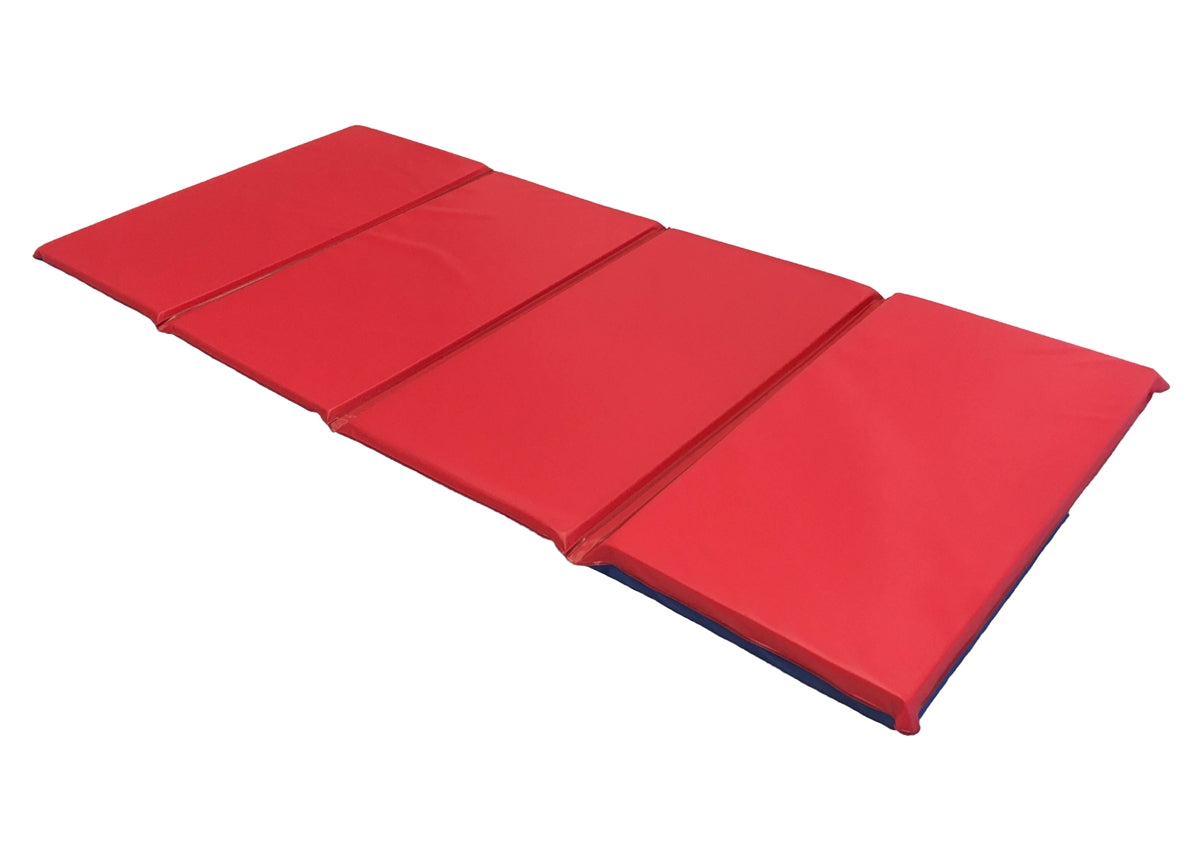
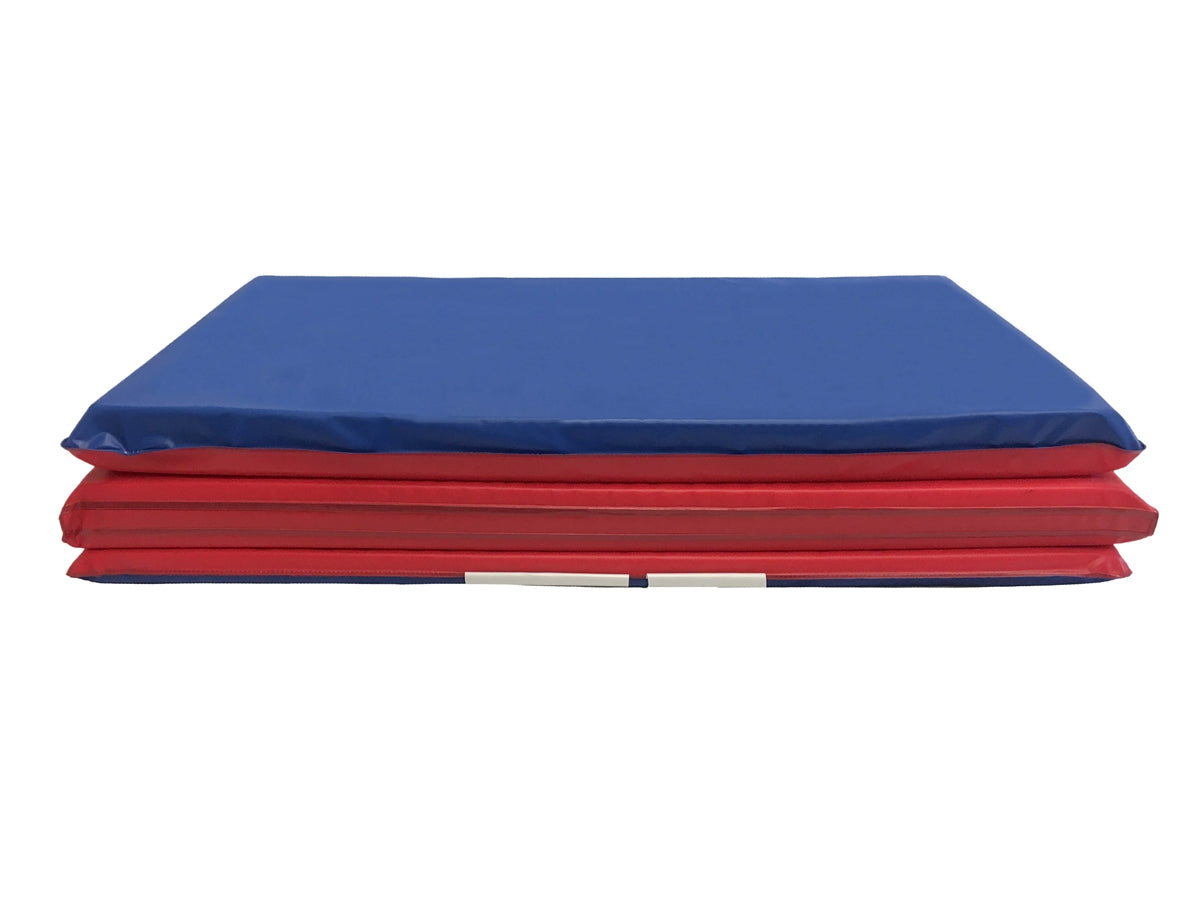
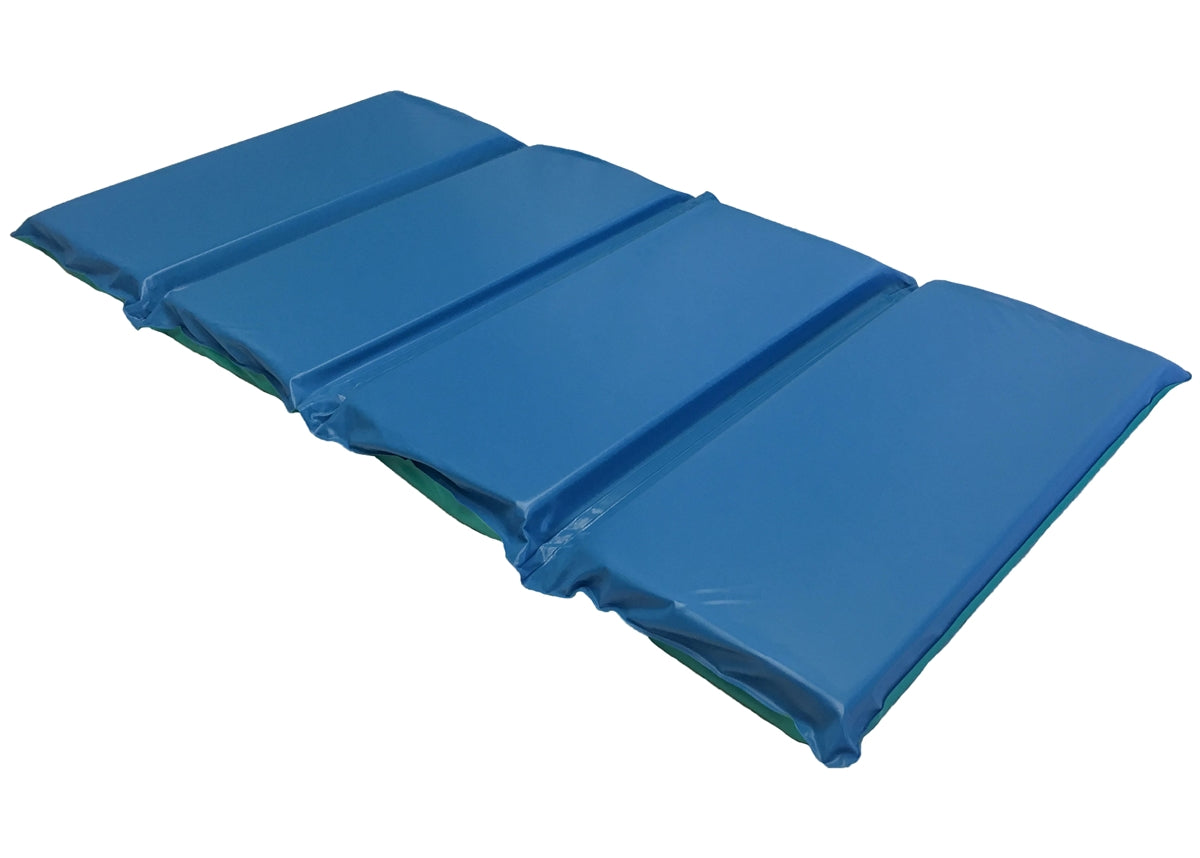
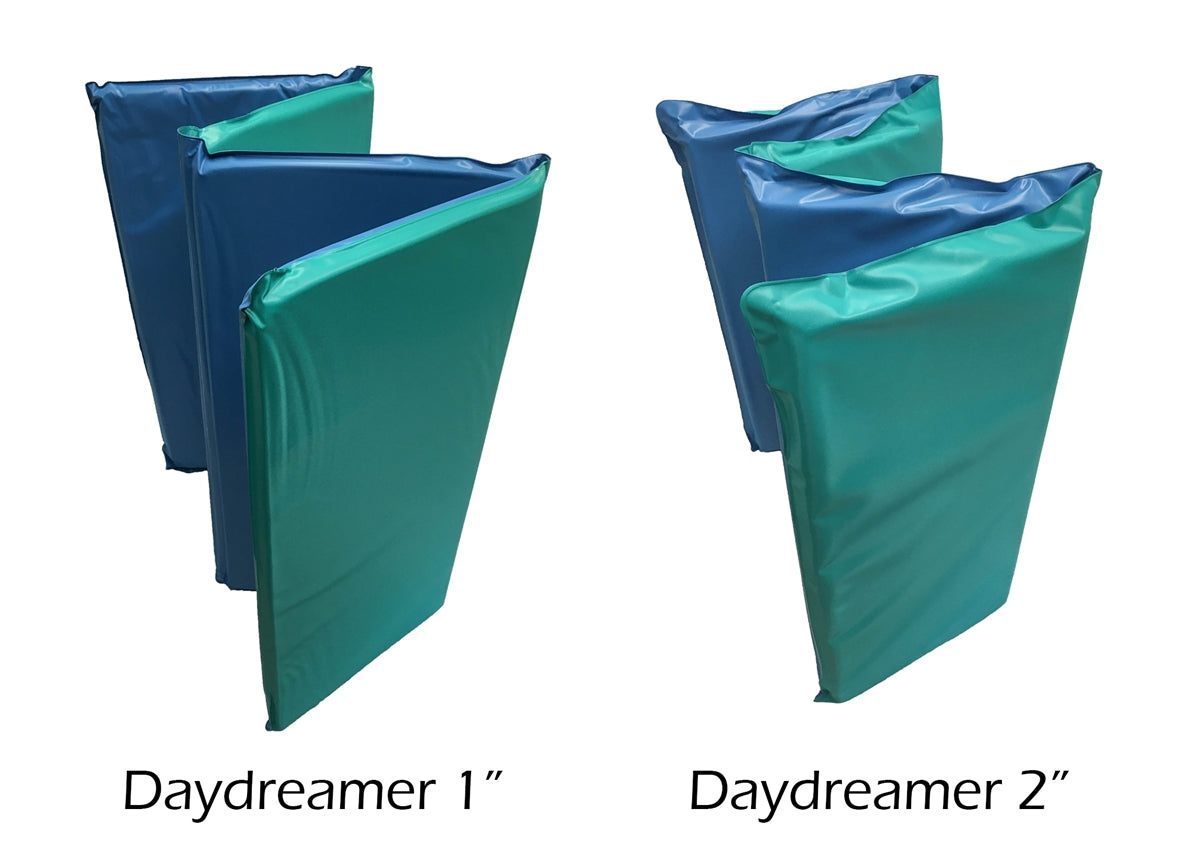
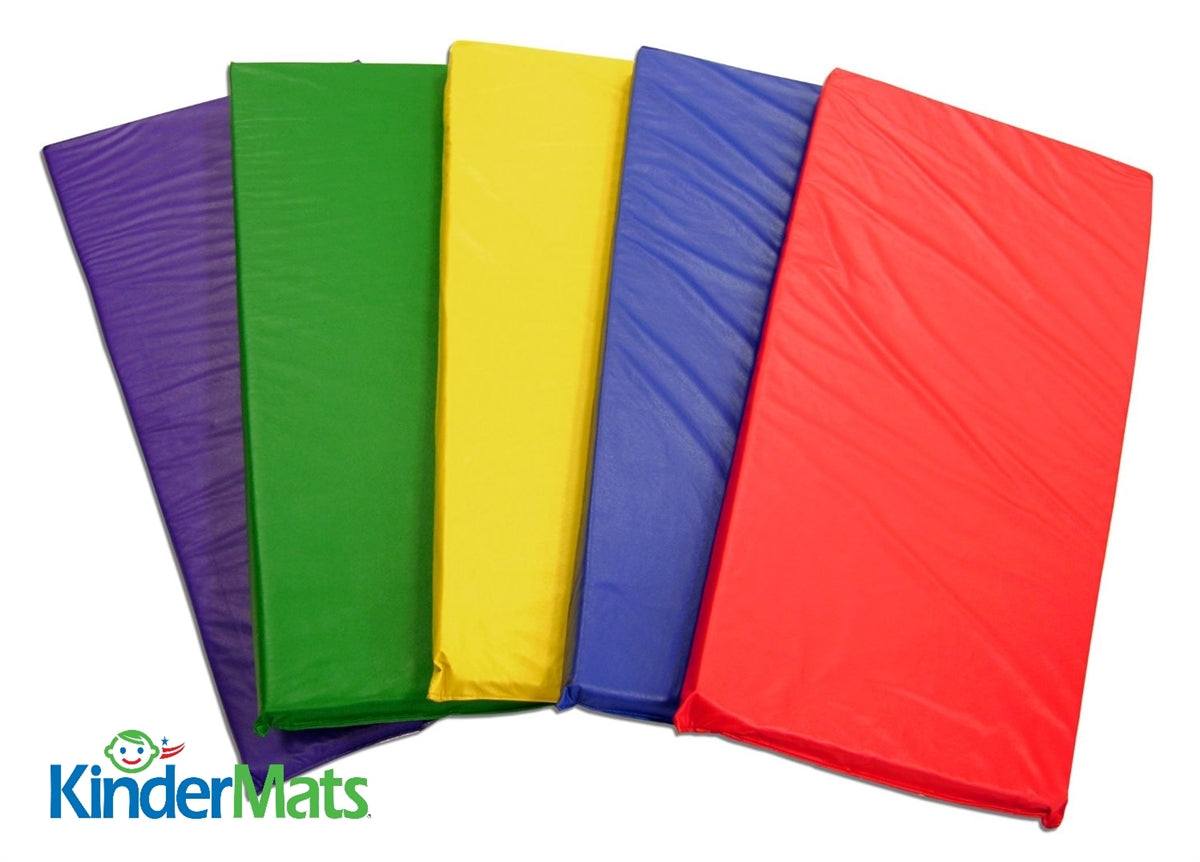
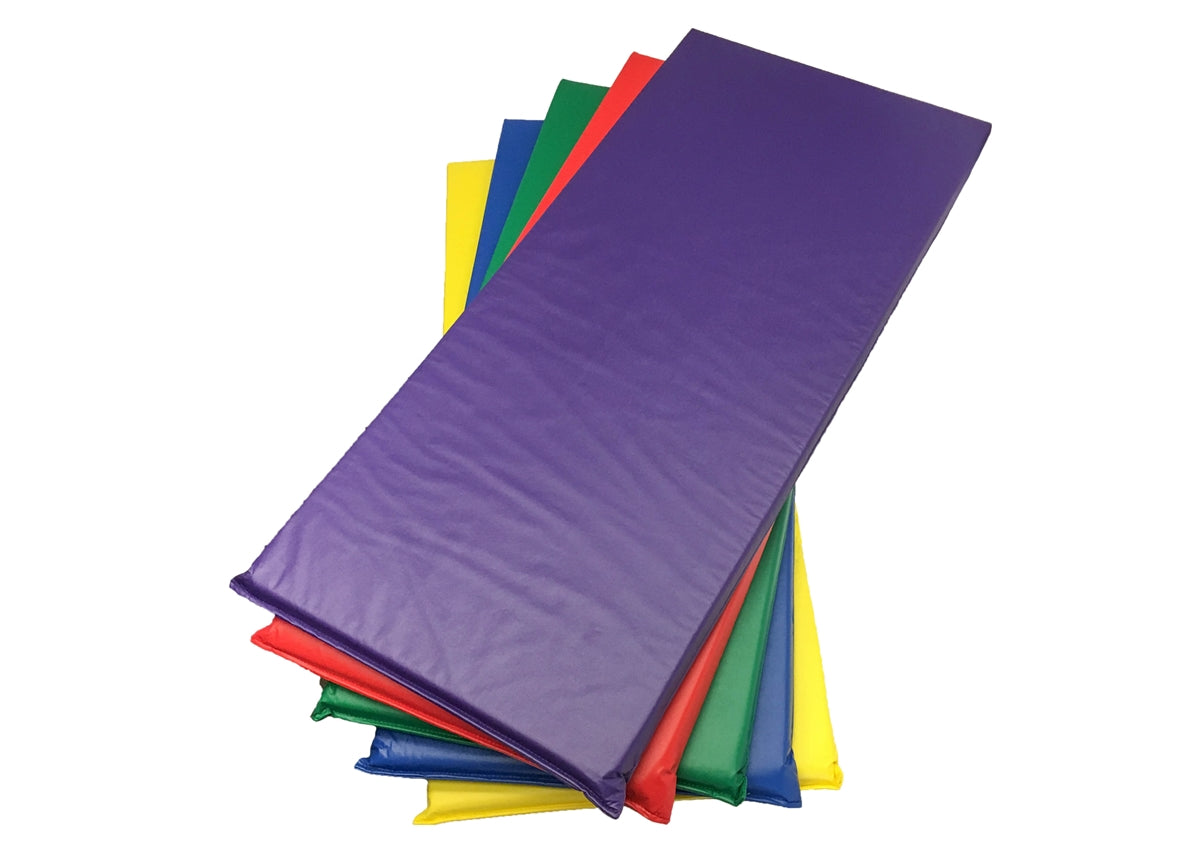
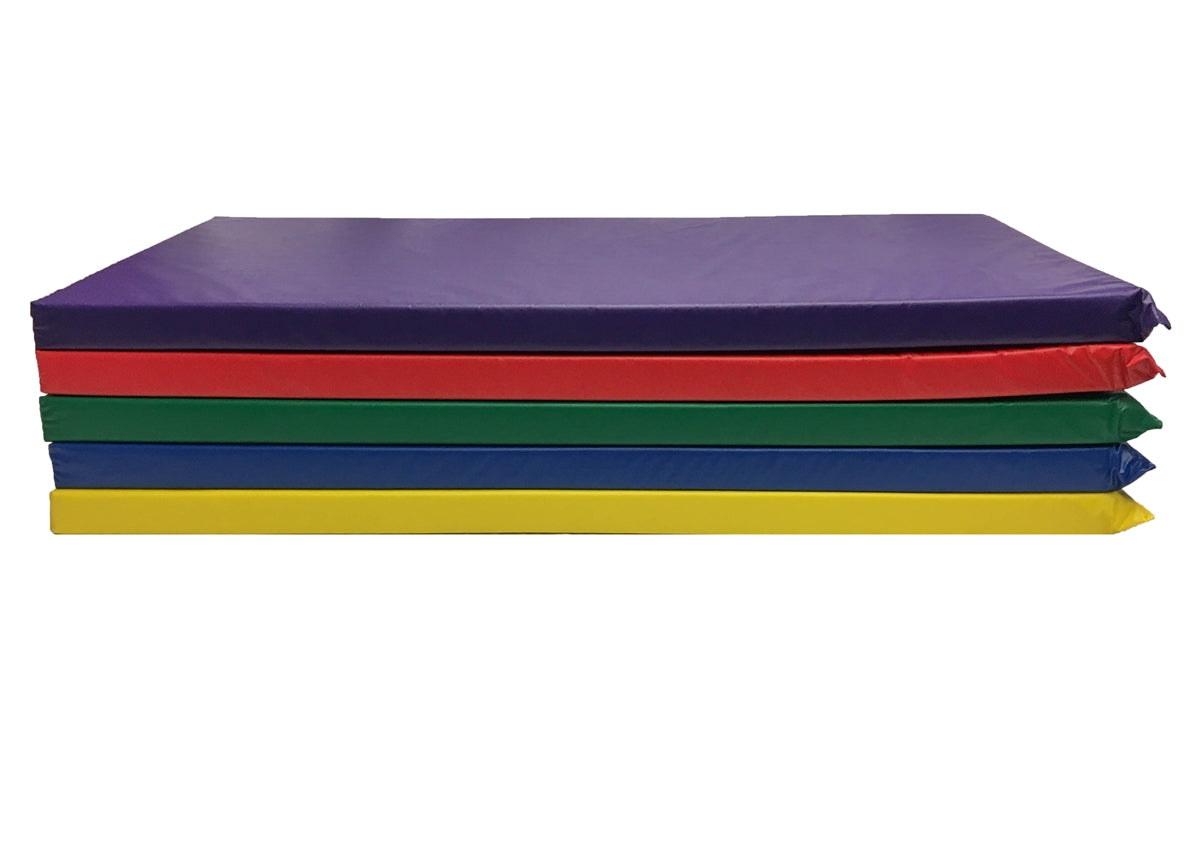
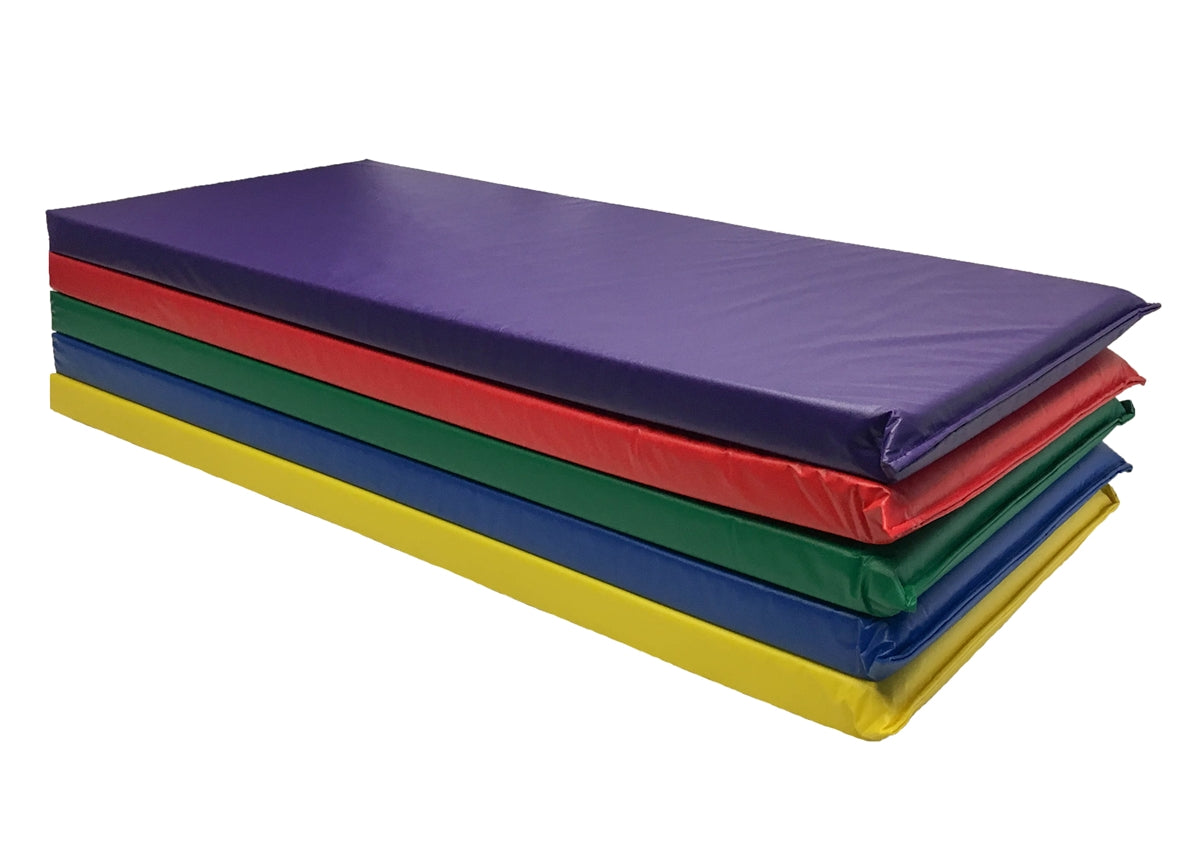
Add all the colors of the rainbow to your daycare with the Rainbow Designer Non-Folding Nap Mats. Choose from lipstick red, lemon yellow, grass green, nautical blue, and grape! Available in case quantities of 8 of one color, or you may mix and match your favorite colors. Super soft vinyl covering is polyester-backed for added strength and comfort. Non-folding with inside seam construction.
Case of 8 Mats
Dimensions: 2" x 22" x 48" (non-folding).
Rainbow Designer Colored, Non-Folding Nap Mats
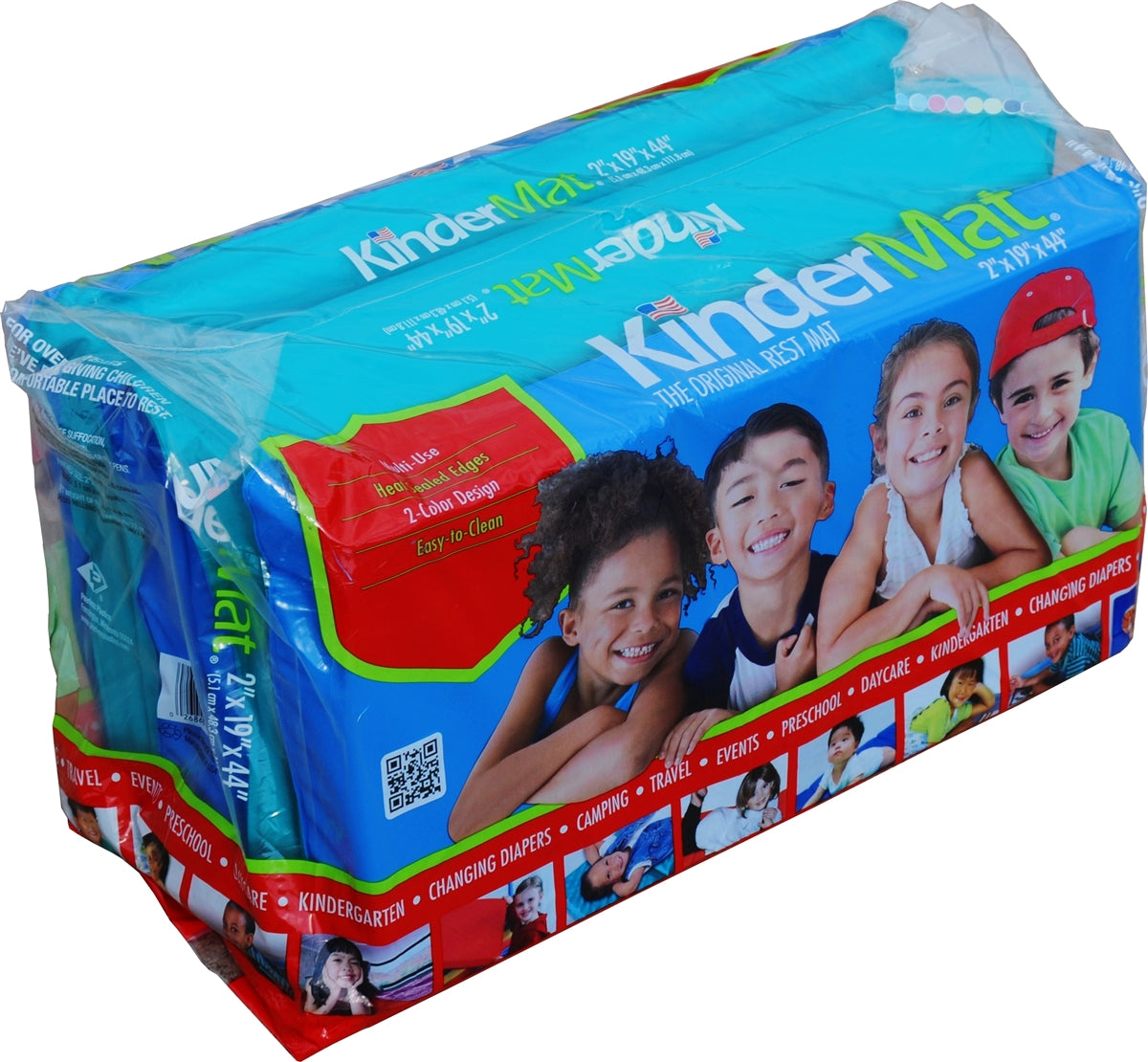
A child is constantly learning new information each and every day, including the alphabet, shapes, colors, and so much more. KinderMat creates products that are designed to promote childhood development in a number of ways.
First of all, KinderMat is dedicated to providing preschools, daycares, and parents with the best kid-tested products in the areas of comfort, affordability, and durability. In order to develop and to grow, a child needs to rest properly on a daycare sleep mat. On a KinderMat, such as the Rainbow Designer Mats, a child is able to comfortably rest during nap time.
Rainbow Designer Mats, manufactured by Peerless Plastics, come in an assortment of exciting colors, including yellow, red, green, blue, and purple. These vibrant, colorful childcare sleeping mats are designed to provide children with a comfortable place to rest while helping children to differentiate between different colors.
Each child will learn the different colors of the rainbow by telling their Rainbow Designer Mat apart from the other sleeping mats. Rainbow Designer Mats consist of a super soft vinyl cover that is backed by super strong, durable polyester. This extra layer of protection adds both strength and comfort to the sleeping mat.
The dimensions of these daycare sleeping mats are 2” x 22” x 48”. Ensure that your child is not only developing their skills but resting properly on a Rainbow Designer Mat created by KinderMat!
Kinder Rainbow Designer Nap Mats can be found under the following product codes:
Lemon Yellow: LEM-2331, PZ-LEM2
Nautical Blue: NTL-232, PZ-NTL2
Lipstick Red: LEP-230, PZ-LIP2
Grass Green: GRN-233, PZ-GRN2
Grape: GRP-234, PZ-GRP2
VIO-235, PZ-VIO2